Feed is usually one of the biggest expenses in poultry production. Whether you are keeping broilers, layers, cockerels, or breeders, the cost of feed can determine whether your farm makes a profit or struggles to survive.
With feed ingredient prices constantly changing in Nigeria, many farmers are looking for ways to reduce feeding costs. However, simply buying the cheapest ingredients, reducing the quantity of feed offered, or using poorly balanced rations can create bigger problems. Birds may grow slowly, lay fewer eggs, become more susceptible to disease, or require more days to reach market weight.
The objective should therefore not be “buy the cheapest feed.” It should be “produce the required result at the lowest cost per kilogram of live weight or per egg.”
Here are practical ways to achieve this.
1. Understand Your Real Feed Cost
Before changing your feeding programme, calculate how much you are actually spending.
Keep records of:
- Quantity of feed purchased
- Cost per bag
- Cost per kilogram
- Feed consumed per bird
- Mortality
- Average body weight
- Egg production
- Number of eggs produced per crate
- Feed wastage
For broilers, an important measurement is Feed Conversion Ratio (FCR).
FCR essentially tells you how much feed is required to produce a kilogram of live-weight gain. For example, if a bird consumes 3 kg of feed to gain 1.5 kg, its FCR is 2.0.
A cheaper feed is not necessarily better if birds need significantly more of it to achieve the same weight.
For layers, farmers should monitor feed consumed per dozen eggs or per crate of eggs alongside egg production and egg mass.
2. Compare Feed Prices on a Cost-per-Kilogram Basis
Farmers sometimes compare feeds based on the price of a bag alone. This can be misleading.
A 25 kg bag and a 50 kg bag cannot be compared simply by looking at their total prices. Convert everything to a cost per kilogram.
Also compare the nutritional value of the feeds.
A feed that costs slightly more but contains appropriate levels of energy, protein, amino acids, minerals and vitamins may produce better results than a cheaper but poorly balanced feed.
The question should always be:
“What does this feed cost me per kilogram of productive output?”
3. Consider Properly Formulated Feed
Commercial feed is convenient, but farmers with sufficient scale may consider producing their own feed or working with a reputable feed mill.
However, feed formulation should not be based on guesswork.
A proper poultry ration must provide appropriate levels of:
- Energy
- Crude protein
- Essential amino acids
- Calcium
- Available phosphorus
- Salt
- Vitamins
- Trace minerals
- Other required additives
The requirements also change according to the bird’s age and purpose.
Broiler starter feed, broiler finisher feed, chick mash, grower mash and layer feed are not interchangeable.
If you formulate feed yourself, work with a qualified animal nutritionist and use reliable ingredient analyses whenever possible.
4. Buy Ingredients Strategically
Major ingredients such as maize and soybean products can represent a large portion of feed costs.
Instead of purchasing ingredients randomly, monitor prices and plan your purchases.
Farmers’ associations and cooperatives can sometimes negotiate better prices through bulk purchasing.
However, do not buy huge quantities simply because an ingredient is temporarily cheap. Poor storage can lead to mould, insect infestation, contamination and nutrient losses.
Your savings disappear if the ingredients become unusable.
5. Explore Alternative Ingredients Carefully
Nigeria has several agricultural by-products and alternative feed ingredients that can potentially contribute to poultry diets.
Examples may include:
- Rice bran
- Wheat offal
- Maize offal
- Palm kernel cake
- Brewer’s dried grains
- Properly processed cassava products
- Other locally available feed ingredients
But “available” does not automatically mean “suitable.”
Some alternative ingredients contain high fibre, anti-nutritional factors, toxins, or nutrient levels that vary considerably.
For example, improperly processed cassava products can create serious nutritional problems, while contaminated grains can introduce mycotoxins.
Alternative ingredients should therefore be evaluated for their nutritional value, safety, inclusion limits and effect on bird performance before being incorporated into a ration.
6. Never Compromise on Ingredient Quality
One of the most expensive mistakes a farmer can make is buying poor-quality ingredients because they are cheap.
Mouldy maize, rancid fats, contaminated soybean products or adulterated ingredients can reduce bird performance.
Mycotoxin contamination is particularly concerning because birds may show reduced growth, poor feed utilisation, reduced egg production and other health problems.
Inspect ingredients before purchase.
Look for:
- Mould
- Unusual odour
- Excessive moisture
- Insect infestation
- Discolouration
- Foreign materials
- Signs of spoilage
Where possible, laboratory testing provides a much better basis for evaluating questionable ingredients.
7. Reduce Feed Wastage
Sometimes the easiest feed cost reduction is already sitting on your farm floor.
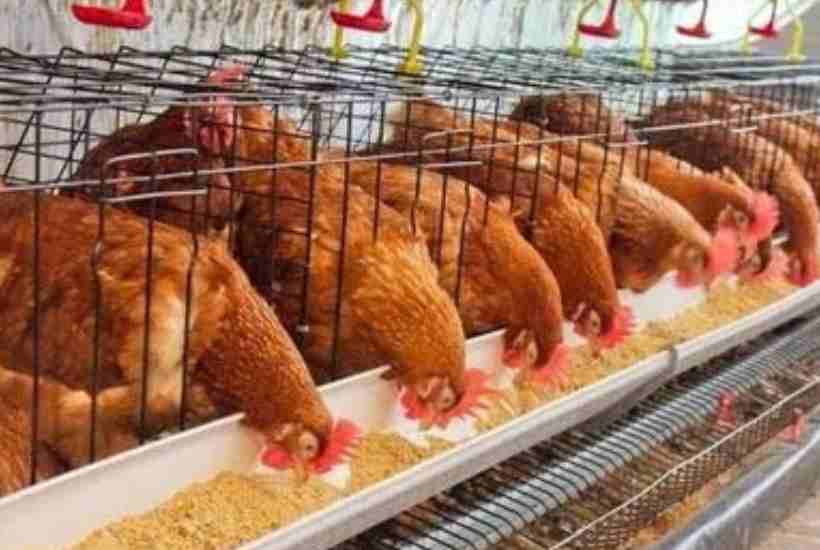
Birds can waste substantial quantities of feed through poor feeder management.
Avoid filling feeders excessively. Feeders should generally be adjusted so birds can eat comfortably without being able to scatter large amounts of feed.
Check feeder height regularly as birds grow.
Also inspect feeders for damage.
If feed is constantly falling onto the litter, your farm is effectively throwing money away.
Keep feeding equipment clean and dry.
8. Store Feed Properly
Good feed can become bad feed if stored improperly.
Store feed in a cool, dry and well-ventilated area.
Keep feed bags away from:
- Direct contact with the floor
- Leaking roofs
- Damp walls
- Standing water
- Chemicals and pesticides
- Rodents
- Other contaminants
Use pallets where possible and practise first-in, first-out (FIFO) storage.
Do not allow old feed to remain in storage while newly purchased feed is consumed first.
9. Improve Feed Conversion Through Good Management
Feed efficiency is not determined by feed alone.
Birds convert feed into body weight or eggs more efficiently when their environment is properly managed.
Pay attention to:
Temperature
Extreme heat can reduce feed intake and negatively affect performance.
Ventilation
Poor ventilation increases heat stress and creates an unhealthy environment.
Water
Birds need continuous access to clean, good-quality water. Inadequate water availability can quickly affect feed intake and production.
Stocking Density
Overcrowding creates competition for feed and water and increases environmental stress.
Lighting
For layers, an appropriate lighting programme supports proper feeding behaviour and egg production.
Disease Control
Sick birds generally do not convert feed efficiently. A strong vaccination, biosecurity and disease-prevention programme therefore protects feed investment.
10. Don’t Reduce Feed Quantity to Save Money
This is an important warning.
When feed prices increase, some farmers respond by simply giving birds less feed.
This may reduce the daily feed bill but can increase the overall cost of production.
Broilers may take longer to reach market weight. Layers may experience reduced production or poor egg quality. Birds may become more vulnerable to nutritional deficiencies.
Instead of asking:
“How can I feed less?”
ask:
“How can I get more productive output from every kilogram of feed?”
That change in thinking is fundamental to profitable poultry farming.
11. Monitor Feed Conversion Regularly
You cannot improve what you do not measure.
Keep weekly records of:
- Feed purchased
- Feed consumed
- Number of birds
- Mortality
- Average body weight
- Egg production
- Egg weight
- Medication and health events
If feed consumption suddenly increases while growth or egg production remains unchanged, investigate.
Possible causes include feed wastage, poor feed quality, heat stress, disease, poor water supply or incorrect formulation.
12. Work With Professionals and Other Farmers
Poultry farming should not be a trial-and-error business.
Farmers can benefit from working with:
- Animal nutritionists
- Veterinarians
- Experienced poultry consultants
- Reputable feed manufacturers
- Hatcheries
- Farmer associations
- Agricultural extension officers
Membership of farmer associations can also provide opportunities to share information about input suppliers, market conditions, bulk purchasing and improved production practices.
Final Thoughts
Reducing poultry feed costs does not mean starving birds or using the cheapest ingredient available.
It means maximising the value obtained from every kilogram of feed.
The most effective approach combines good-quality ingredients, proper formulation, strategic purchasing, careful storage, reduced wastage, clean water, good housing, disease prevention and accurate record keeping.
For Nigerian poultry farmers, particularly during periods of high input costs, improving feed efficiency can make a significant difference to farm profitability.
Remember this simple principle:
Don’t focus only on the price of the feed bag. Focus on the amount of healthy growth or egg production that every naira spent on feed produces.
A farmer who saves ₦500 on a bag of feed but loses significantly more through poor growth, increased mortality or reduced egg production has not really saved money.
The profitable poultry farmer is not necessarily the one who buys the cheapest feed.
It is the farmer who gets the best productive result from every naira invested in feed.
Practical Farmer’s Checklist
Before your next feed purchase, ask:
☐ What is the cost per kilogram?
☐ What is the nutritional specification?
☐ Are the ingredients fresh and safe?
☐ Can I reduce wastage on my farm?
☐ Is my feeder height correct?
☐ Do birds have continuous access to clean water?
☐ Is ventilation adequate?
☐ Am I measuring FCR or feed efficiency?
☐ Am I keeping accurate production records?
☐ Have I consulted a qualified nutritionist before changing the ration?
Better feed management means better poultry management—and better poultry management creates a more sustainable and profitable farm.