The success of a poultry farm can be influenced long before the first bag of feed is opened. One of the most important decisions a farmer makes is the selection and purchase of day-old chicks (DOCs).
Whether you are starting a small backyard poultry operation or managing a commercial farm with thousands of birds, purchasing poor-quality chicks can create problems that become increasingly expensive as the flock grows.
Weak chicks may have poor growth, high mortality, uneven body weights, poor feed conversion and increased susceptibility to disease. For layer farmers, poor chick quality can eventually affect flock uniformity and egg production.
The good news is that farmers can reduce these risks by being more careful about where they buy chicks, what they inspect, how they transport them and how they receive them on the farm.
Here are practical guidelines every Nigerian poultry farmer should follow.
1. Buy From a Reputable Hatchery
The first question should not be:
“How cheap are the chicks?”
It should be:
“Who produced these chicks, and what is their health and production record?”
Purchase chicks from established hatcheries or reputable suppliers with a consistent history of producing quality birds.
Before ordering, ask questions about:
- Breed or strain
- Parent-stock source
- Hatch date
- Vaccination programme
- Hatchery health programme
- Expected chick quality
- Delivery arrangements
- Replacement policy for significant losses attributable to transport or obvious chick-quality problems
Do not select a supplier solely because their chicks are cheaper.
A difference of a few naira per chick can become insignificant if the cheaper chicks produce higher mortality and poorer growth.
2. Order Your Chicks in Advance
Avoid waiting until you urgently need chicks before looking for a supplier.
Advance planning gives you time to investigate hatcheries, compare prices, confirm availability and prepare your brooding facilities.
When placing your order, clearly specify:
- Number of chicks required
- Breed/strain
- Intended purpose
- Delivery date
- Location
- Vaccination requirements
- Any other agreed specifications
Keep written records of your order and communications with the supplier.
3. Know Exactly What You Are Buying
Different poultry strains have different characteristics.
For example, broiler strains are selected primarily for rapid meat production, while layer strains are selected for egg production.
Ask the supplier for the exact breed or commercial strain.
Do not simply accept “broiler” or “layer” without clarification.
Farmers should also understand whether the birds are sexed or unsexed where this matters to their production plan.
A good purchasing decision starts with matching the bird to your farming objective.
4. Ask About Vaccination and Hatchery Health
Find out what vaccinations, if any, the chicks have received before delivery.
Do not assume that all day-old chicks have received the same vaccines or that hatchery vaccination automatically provides complete protection against every disease relevant to your farm.
Ask for documentation where available.
Then discuss the remaining vaccination programme with a veterinarian or qualified animal-health professional.
Vaccination history is particularly important because poor coordination between hatchery vaccination and farm vaccination can create gaps in disease protection.
5. Inspect the Chicks Before Accepting Delivery
When the chicks arrive, do not simply count the boxes and take them straight into the brooder.
Inspect the birds.
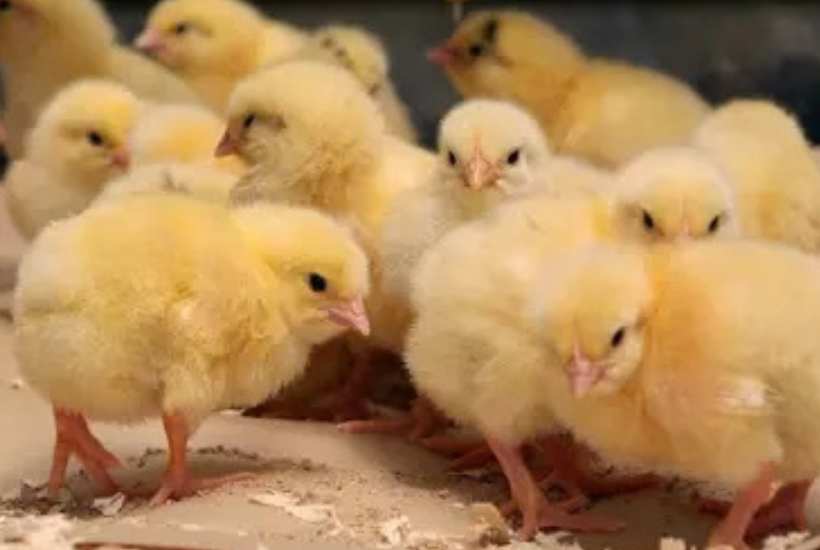
Healthy day-old chicks should generally be:
- Alert and active
- Bright-eyed
- Well hydrated
- Able to stand and walk normally
- Free from obvious deformities
- Uniform in appearance and size
- Free from excessive contamination
- Responsive to movement and sound
Pay attention to the overall condition of the flock rather than judging quality from one or two chicks.
6. Check for Physical Abnormalities
Carefully examine a representative sample of chicks.
Look for obvious problems such as:
- Crooked legs
- Deformed beaks
- Unusual weakness
- Poor feathering
- Swollen joints
- Severe navel abnormalities
- Signs of dehydration
- Difficulty standing or walking
The navel area deserves particular attention. Poor navel healing can increase the risk of infection during the early stages of life.
Do not accept large numbers of obviously weak or abnormal chicks without first discussing the issue with the supplier.
7. Check Chick Activity and Uniformity
Chicks should generally demonstrate good activity.
If many birds are lethargic, huddling excessively, unable to stand or showing unusual weakness immediately upon arrival, investigate the cause.
Uniformity is also important.
A flock with substantial variation in chick size and condition can become increasingly difficult to manage.
Uniform chicks make it easier to manage feeding, watering and environmental conditions consistently.
8. Count the Chicks and Record Mortality
Always count the chicks upon arrival.
Record:
- Number ordered
- Number received
- Number dead on arrival
- Number weak or abnormal
- Delivery time
- Arrival condition
- Supplier
- Hatch date, where available
Take photographs or videos when there are significant problems.
These records can be extremely useful when discussing delivery problems with a hatchery or supplier.
9. Minimise Transport Stress
Transportation is one of the most critical stages between the hatchery and your farm.
Chicks are vulnerable to:
- Excessive heat
- Cold
- Poor ventilation
- Rough handling
- Long delays
- Overcrowding
- Dehydration
Plan transportation carefully.
Avoid unnecessary stops.
Use appropriate chick boxes and ensure adequate ventilation without exposing the chicks to extreme weather conditions.
During hot Nigerian weather, transportation requires particular attention to heat stress.
10. Do Not Leave Chicks Waiting in Vehicles
Once chicks arrive in your area, they should not spend unnecessary hours waiting in a parked vehicle.
Heat can build rapidly inside vehicles, especially under the Nigerian sun.
Coordinate with the driver and hatchery so the journey is as direct and efficient as possible.
Your brooder should already be prepared before the chicks leave the hatchery.
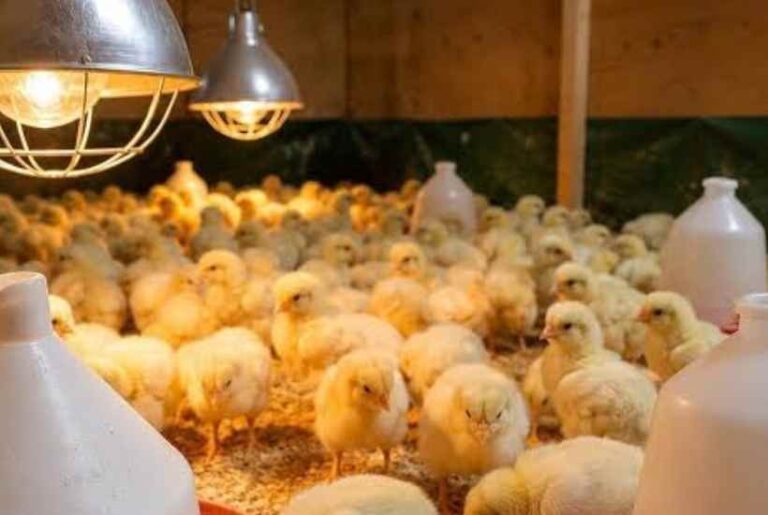
11. Prepare the Brooder Before the Chicks Arrive
One of the biggest mistakes new farmers make is buying chicks before preparing the farm.
The brooder should be ready before the chicks arrive.
Prepare:
- Heat source
- Clean litter
- Feeders
- Drinkers
- Clean water
- Starter feed
- Appropriate lighting
- Ventilation
- Brooder guards where needed
- Appropriate biosecurity measures
Check the heating system before delivery day.
Do not wait until the chicks arrive before discovering that your brooder is too cold, too hot or poorly ventilated.
12. Provide Clean Water Immediately
Upon arrival, chicks should have access to clean, safe drinking water.
Water is essential for hydration after transportation.
Ensure drinkers are clean and easy for chicks to access.
Avoid placing drinkers where they are likely to become contaminated with litter.
If additives or supplements are considered, use them only according to appropriate professional or manufacturer guidance.
13. Introduce Feed Properly
Use an appropriate chick starter ration for the breed and production purpose.
Feed should be fresh, properly stored and free from mould or contamination.
Make feed easily accessible so chicks can begin feeding without unnecessary delay.
Observe the birds after placement to ensure they are locating feed and water properly.
14. Watch the Chicks Closely During the First 24–48 Hours
The first few days provide valuable information about the quality of the chicks and the quality of your management.
Observe:
- Activity
- Feeding behaviour
- Water consumption
- Distribution around the brooder
- Droppings
- Mortality
- Temperature response
- General alertness
Chick behaviour can help you identify environmental problems.
For example, chicks consistently crowding directly under the heat source may indicate that they are too cold, while birds moving far away from the heat source and panting may indicate excessive heat.
Proper brooding temperature should be managed according to the chicks’ age, housing system and environmental conditions rather than relying on guesswork.
15. Establish a Relationship With Your Hatchery
A good hatchery should not simply sell you chicks and disappear.
Maintain communication with the supplier.
If you experience unusual mortality, poor chick quality or other concerns immediately after delivery, inform the hatchery promptly.
Provide evidence and keep accurate records.
A long-term relationship with a reliable supplier can be extremely valuable because the hatchery becomes familiar with your farm and your production requirements.
Common Mistakes to Avoid
Choosing the cheapest chicks
Low purchase price does not necessarily mean low production cost.
Buying from an unknown supplier
You may have little information about the birds’ source or health programme.
Failing to inspect the chicks
Farmers sometimes discover problems only after several days.
Transporting chicks over unnecessary distances
Long journeys increase stress and can affect early performance.
Preparing the brooder after the chicks arrive
The brooder should be ready before the birds leave the hatchery.
Mixing new chicks with older birds
Different age groups should generally be managed separately to reduce disease risks.
Ignoring early mortality
A few unexpected deaths may be a warning sign. Record mortality and investigate unusual patterns promptly.
Changing feed unnecessarily
Young chicks need an appropriate, nutritionally balanced starter ration. Frequent or poorly planned feed changes can create additional problems.
A Simple Day-Old Chick Buying Checklist
Before placing your order:
☐ Is the hatchery reputable?
☐ Do I know the exact breed or strain?
☐ Is the hatch date available?
☐ What vaccination has been administered?
☐ What is the hatchery’s health-management programme?
☐ What is the agreed price?
☐ What happens if significant problems occur during delivery?
Before accepting delivery:
☐ Are the chicks active?
☐ Are they alert and responsive?
☐ Are they reasonably uniform?
☐ Are the eyes clear?
☐ Are the legs and beaks normal?
☐ Are the navels properly healed?
☐ Are there obvious signs of dehydration or weakness?
☐ Have dead or abnormal chicks been recorded?
After arrival:
☐ Is the brooder ready?
☐ Is clean water available?
☐ Is appropriate starter feed available?
☐ Is the environment properly ventilated?
☐ Are chicks evenly distributed?
☐ Are mortality and daily observations being recorded?
Conclusion
Buying day-old chicks is not simply a transaction. It is the beginning of your production cycle.
The quality of your chicks, combined with transportation, brooding, nutrition, vaccination, biosecurity and general management, can influence the performance of your flock for many weeks or months.
For Nigerian poultry farmers, the safest approach is to buy from reputable suppliers, know exactly what you are purchasing, inspect chicks carefully, minimise transportation stress and have the farm fully prepared before the birds arrive.
Remember that good poultry production begins with good preparation.
Do not buy chicks first and start planning afterward.
Prepare the farm, investigate the supplier, verify the birds, plan transportation and receive the chicks properly.
A strong flock begins on day one.
Important note: Chick quality assessment cannot replace veterinary diagnosis or laboratory testing. Where abnormal mortality, disease signs or significant delivery problems occur, consult a veterinarian or qualified animal-health professional promptly.