The first few weeks of a chick’s life are among the most important periods in poultry production. A farmer can purchase excellent-quality day-old chicks, but poor brooding can quickly turn healthy chicks into weak, uneven or highly vulnerable birds.
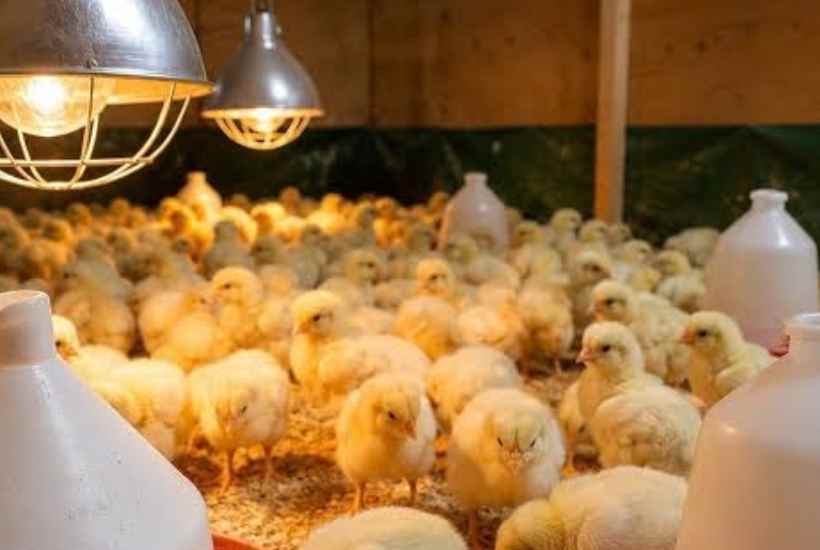
Brooding is the process of providing young chicks with the environmental conditions they need to survive, eat, drink, grow and develop normally after hatch. This includes appropriate temperature, clean water, quality feed, suitable litter, ventilation, lighting, adequate space and good hygiene.
For Nigerian poultry farmers, effective brooding deserves particular attention because environmental conditions can vary significantly. High temperatures, humidity, power interruptions and inadequate ventilation can create additional challenges.
The following step-by-step guide can help farmers establish a strong foundation for their flock.
1. Prepare the Brooding Area Before the Chicks Arrive
Never wait for the chicks to arrive before preparing the brooder.
Clean and disinfect the brooding area thoroughly. Remove old litter, manure, feathers, dust and other organic material.
Check the walls, roof, windows, doors and floor for problems.
Make sure:
- The brooder is secure from rodents and predators.
- The floor is dry.
- Feeders and drinkers are clean.
- The heating equipment works properly.
- Electricity or alternative heating arrangements are available.
- Clean drinking water is ready.
- Appropriate starter feed is available.
- Lighting is functional.
- Ventilation can be controlled.
If you are using a heat lamp, gas brooder or another heat source, test it before delivery day.
A backup plan is particularly important where electricity supply is unreliable.
2. Manage Temperature Carefully
Temperature is one of the most important factors during brooding.
Newly hatched chicks cannot regulate their body temperature effectively, so they depend on the farmer to provide an appropriate thermal environment.
The exact temperature requirement depends on factors such as chick age, breed, housing system, litter condition and ambient temperature.
As a general starting point, many conventional brooding programmes begin at approximately 32–35°C at chick level during the first week and gradually reduce the temperature as the chicks develop.
The farmer should not rely exclusively on a thermometer.
Watch the chicks.
If chicks crowd tightly together directly under the heat source, they may be cold.
If they move far away from the heat source, pant or appear uncomfortable, they may be too hot.
If they are reasonably distributed throughout the brooding area and active, the environmental conditions are more likely to be appropriate.
Temperature should generally be reduced gradually as chicks grow rather than changed suddenly.
3. Pay Attention to Nigerian Weather Conditions
Brooding in Lagos and other warm parts of Nigeria requires a slightly different mindset from brooding in cold climates.
During periods of high ambient temperature, the main problem may not be providing enough heat—it may be preventing overheating.
Do not seal the brooding house so tightly that fresh air cannot enter.
During hot periods, carefully manage ventilation while preventing drafts directly blowing onto the chicks.
Monitor the chicks frequently, particularly during the hottest part of the day.
4. Use Appropriate Litter
Good litter helps keep chicks dry, comfortable and clean.
Common litter materials may include properly prepared wood shavings or other suitable absorbent materials.
The litter should be:
- Dry
- Clean
- Absorbent
- Free from mould
- Free from sharp objects
- Relatively dust-free
Avoid wet or mouldy litter.
Wet litter can contribute to poor air quality, increased microbial contamination and foot or skin problems.
Check the area around drinkers frequently because spilled water can quickly create wet patches.
Remove heavily contaminated or wet sections and replace them with fresh litter.
5. Provide Clean Drinking Water Immediately
Water is essential to newly arrived chicks.
After transportation, chicks need access to clean drinking water as soon as they are settled.
Drinkers should be positioned where chicks can easily find them.
Do not allow drinkers to become contaminated with litter or droppings.
Check water availability several times a day, especially during hot weather.
A water shortage can quickly affect feed intake, growth and overall chick performance.
Where borehole or other water sources are used, farmers should ensure that the water is suitable for poultry consumption.
6. Introduce Quality Starter Feed
Chicks require an appropriate starter ration containing the nutrients needed for early growth and development.
Use fresh, good-quality chick starter feed from a reliable source.
Feed should be:
- Nutritionally appropriate
- Fresh
- Free from mould
- Properly stored
- Easily accessible to chicks
Feed should be placed where chicks can reach it easily without excessive competition.
Do not make unnecessary changes to the feed during the early stages.
If a change is required, manage the transition carefully and monitor the flock.
7. Make Feed and Water Easily Accessible
Young chicks should not have to travel long distances to find feed or water.
Distribute feeders and drinkers throughout the brooding area.
As the chicks grow, adjust equipment and increase capacity where necessary.
Avoid overcrowding around individual feeders and drinkers.
This is particularly important when the flock is large.
Observe the birds during feeding and drinking periods.
If some chicks are consistently being pushed away, you may need additional feeding or drinking points.
8. Maintain Proper Ventilation
Good ventilation provides fresh oxygen and removes excess heat, moisture, carbon dioxide and ammonia.
However, ventilation does not mean exposing chicks to strong drafts.
The goal is fresh air without chilling the birds.
Signs of poor ventilation may include:
- Strong ammonia smell
- Excessive humidity
- Wet litter
- Panting
- Poor air quality
- Birds appearing uncomfortable
In hot Nigerian conditions, ventilation becomes particularly important.
Farmers should consider the design of windows, curtains, fans and other ventilation systems before stocking the house.
9. Avoid Excessive Stocking Density
Overcrowding can cause serious management problems.
When too many chicks are kept in a limited area, competition for feed and water increases.
Overcrowding can also contribute to:
- Poor ventilation
- Wet litter
- Heat stress
- Increased disease transmission
- Uneven growth
- Increased mortality
Stocking density should be based on the housing system, bird type, environmental conditions and management capacity.
Do not increase the number of chicks simply because there appears to be space at the beginning.
Remember that those small chicks will grow rapidly.
10. Maintain Good Lighting
Lighting helps chicks find feed and water and supports normal activity.
Provide sufficient lighting during the early brooding period according to the production programme being used.
Avoid placing chicks in a poorly illuminated environment where they cannot easily locate feeders and drinkers.
Lighting programmes can vary according to bird type and management system, so farmers should follow an appropriate programme for their particular flock.
11. Practise Strict Biosecurity
The brooding period is not the time to relax biosecurity.
Limit unnecessary visitors.
Use dedicated footwear and clothing where possible.
Clean and disinfect equipment.
Keep rodents, wild birds and other animals away from the brooding area.
Do not mix chicks from different sources without appropriate veterinary and biosecurity considerations.
If several batches are being managed, keep them properly separated.
12. Monitor Chicks Several Times Every Day
Good farmers do not simply feed birds and return the next day.
Walk through the brooder regularly.
Look at:
- Chick activity
- Feed consumption
- Water consumption
- Droppings
- Litter condition
- Temperature response
- Ventilation
- Mortality
- General flock uniformity
The behaviour of chicks can tell you a great deal about their environment.
Early detection of a problem allows the farmer to correct it before it becomes a major flock problem.
Common Brooding Mistakes Nigerian Farmers Should Avoid
Mistake 1: Overheating chicks
More heat does not necessarily mean better brooding.
Excessive heat can cause panting, dehydration and poor performance.
Mistake 2: Poor ventilation
Closing the poultry house completely to conserve heat can create poor air quality.
Mistake 3: Wet litter
Water leakage and poorly positioned drinkers can quickly produce wet litter.
Mistake 4: Insufficient drinking water
Especially during hot weather, inadequate water can have serious consequences.
Mistake 5: Overcrowding
Too many birds in too little space increases environmental and disease challenges.
Mistake 6: Using mouldy feed
Feed contamination can seriously affect young birds.
Mistake 7: No backup heating or power plan
A power failure can become dangerous if the farm depends entirely on electrically powered heating.
Mistake 8: Ignoring chick behaviour
The chicks themselves provide useful information about temperature and comfort.
Mistake 9: Poor biosecurity
Visitors, dirty equipment, rodents and contaminated footwear can introduce disease.
Mistake 10: Waiting too long before seeking help
Unusual mortality or severe illness should be investigated promptly with assistance from a veterinarian or qualified animal-health professional.
A Simple Daily Brooding Checklist
Every day, check:
☐ Are the chicks active?
☐ Are they evenly distributed?
☐ Is the temperature appropriate?
☐ Is there adequate ventilation?
☐ Is the litter dry?
☐ Is clean water continuously available?
☐ Is enough starter feed available?
☐ Are feeders and drinkers clean?
☐ Is mortality within the expected range?
☐ Are there signs of disease?
☐ Is stocking density becoming excessive?
☐ Is the backup power/heating system functional?
☐ Are biosecurity measures being followed?
Conclusion
Successful poultry production begins with successful brooding.
The first few weeks establish the foundation for future growth, flock uniformity, health and production performance. A farmer who gets temperature, water, feed, litter, ventilation, stocking density and hygiene right from the beginning gives the flock a much better opportunity to develop properly.
For Nigerian poultry farmers, effective brooding requires close observation and quick response. Do not rely on equipment alone. Watch the birds, record what you observe and correct problems early.
Remember:
Warmth without overheating.
Fresh air without drafts.
Clean water without interruption.
Quality feed without contamination.
Enough space without overcrowding.
And strict hygiene from day one.
The goal of brooding is not simply to keep chicks alive.
The goal is to raise healthy, uniform birds that are capable of performing to their genetic potential.
Important note: Temperature ranges and management programmes can vary with breed, housing system, equipment, climate and chick condition. Farmers should follow the recommendations of the chick supplier and seek veterinary or professional poultry-management advice where necessary.